
Anti-Salmo (Enteric Antibacterial Support)
Salmonellosis (Salmonella Typhimurium) in poultry

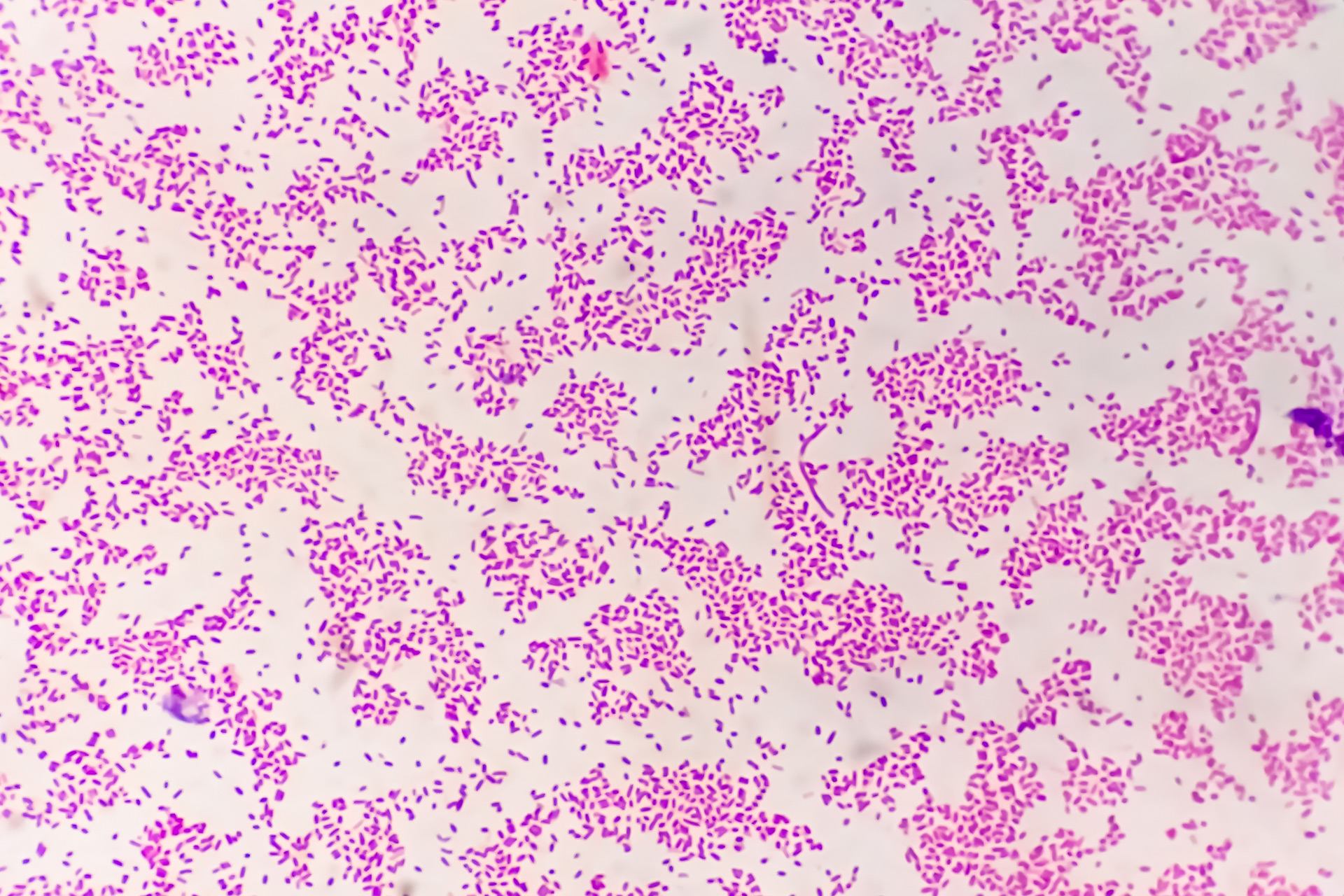
Disease Overview
Salmonellosis is the second most commonly reported zoonosis in the European Union, with 79,703 confirmed human cases in 2024 (18.6 per 100,000 population), behind only campylobacteriosis. Salmonella in combination with eggs and egg products accounted for the highest number of food-borne outbreaks and the highest number of hospitalisations of any agent–food pair. Poultry is the central reservoir, and the direction of travel in the sector is not encouraging: only 14 Member States achieved full compliance with the EU Salmonella reduction targets in poultry populations in 2024, down from 15 in 2023 and 19 in 2022, while EU-level prevalence in breeding poultry has increased significantly over the past decade (EFSA & ECDC, 2025).
Salmonella enterica subsp. enterica serovar Typhimurium is one of the serovars of greatest concern in broiler production. In the bird, intestinal infection is rarely a simple matter of bacterial presence: it disrupts the whole intestinal ecosystem. Experimental infection produces epithelial exfoliation, villus fusion, subepithelial oedema, vascular congestion, inflammatory infiltration of the lamina propria and crypt hyperplasia, alongside shifts in the resident microbiota, altered immune responses and changed metabolic pathways (Bescucci et al., 2022). The commercial consequences - impaired nutrient absorption, poorer feed conversion, uneven flocks - follow from that mucosal damage, while the public-health consequence follows from carcass and egg contamination at the end of the chain.
The therapeutic gap
The conventional answer to enteric bacterial pressure has been narrowing steadily for two decades. Antibiotic growth promoters were withdrawn from EU animal feed on 1 January 2006 under Regulation (EC) No 1831/2003. Since 28 January 2022, Regulation (EU) 2019/6 has prohibited the routine prophylactic use of antimicrobials in groups of animals and their use to compensate for poor hygiene or inadequate husbandry. At the same time, WHO GLASS surveillance reports continuing increases in resistance to critically important antimicrobials, particularly among Gram-negative organisms - the very group that includes Salmonella and Escherichia coli.
What remains is a genuine need for tools that can be applied routinely, through drinking water, without a prescription-driven antimicrobial and without adding to resistance pressure. Phytogenic formulations are attractive here precisely because they do not work like antibiotics: their activity is generally attributed to the combined action of many bioactive constituents - interference with bacterial adhesion and quorum sensing, disruption of microbial membranes, antioxidant activity, modulation of inflammatory pathways - rather than to a single compound acting on a single target.
Mechanism of Action
Herba Top Salmonella (HTS) is a liquid hydroalcoholic extract of six medicinal plants harvested from the spontaneous flora of Mureș County, Romania:
Composition as stated in Horhogea et al. (2026), Section 2.1.
Unlike most plant products in this category, the extract has been quantitatively characterised by UHPLC-MS/MS (Varga et al., 2020): total flavonoid content 0.82 mg quercetin equivalents/mL and total polyphenol content 2.25 mg gallic acid equivalents/mL, with seven individually quantified constituents:
Phytochemical profile of HTS determined by UHPLC-MS/MS (Varga et al., 2020, Farmacia 68:1129–1135).
Two of these constituents carry the most directly relevant published evidence. Chlorogenic acid - the second most abundant compound in the extract - has been shown to reduce small-intestinal injury, oxidative stress and inflammation while improving epithelial barrier function in broilers challenged with Clostridium perfringens type A (Zhang et al., 2020). Origanum vulgare, the principal botanical component, supplies carvacrol and thymol, phenolic monoterpenes whose antibacterial activity through membrane disruption is among the best documented in the phytogenic literature (Coccimiglio et al., 2016).
Research Studies
Study 1 - Controlled experimental Salmonella Typhimurium challenge in Ross 308 broilers
Title: Effects of a Phytogenic Water Supplement on Selected Cultivable Bacterial Populations and Intestinal Histomorphology in Ross 308 Broiler Chickens Challenged with Salmonella Typhimurium
Publication: Life 2026, 16(8), 1341 - MDPI, open access (CC BY). Received 2 July 2026; revised 7 August 2026; accepted 14 August 2026; published 16 August 2026. Peer-reviewed.
Authors: Horhogea, C.-E.; Popovici, I.; Pavel, G.; Solcan, C.; Fotea, L.; Grecu, M.; Varga, E.; Fülöp, I.; Aniță, D.-C.; Rîmbu, C.-M.
Institutions: "Ion Ionescu de la Brad" Iași University of Life Sciences (IULS), Faculty of Veterinary Medicine - Departments of Public Health and Preclinics, and ROVETEMERG Center of Advanced Research for Emerging Diseases, Zoonoses and Food Safety; University of Medicine, Pharmacy, Science and Technology of Târgu Mureș, Faculty of Pharmacy (phytochemistry and toxicology)
Funding / sponsor: Research Grant No. 13966/13.09.2023 between IULS and SC Promedivet SRL. The company supplied the product and financial support; the published conflict-of-interest statement records that it had no role in study design, data collection, analysis, interpretation, manuscript preparation or the decision to publish.
Ethics approval: Ethics Committee of the Faculty of Veterinary Medicine, IULS - Decision No. 1114/24.09.2024
Design: 2 × 3 factorial controlled challenge study. 60 one-day-old Ross 308 broilers randomly allocated to six groups (10 birds/group; two pens per group, five birds per pen). The pen was the experimental unit - individual bird values were averaged per pen before analysis, in line with ARRIVE 2.0, giving two independent units per group.
Groups: L1 infected/untreated (positive control); L2 infected + HTS 3 mL/L; L3 infected + HTS 6 mL/L; L4 uninfected + HTS 3 mL/L; L5 uninfected + HTS 6 mL/L; L6 uninfected/untreated (negative control)
Challenge: Salmonella enterica subsp. enterica serovar Typhimurium ATCC 14028, 0.5 mL of a 0.5 McFarland suspension (≈1.5 × 10⁸ CFU/mL) administered orally on days 8 and 9, after a 7-day acclimatisation period. Flock certified Salmonella-free and independently confirmed by bacteriology before challenge.
Treatment: HTS in drinking water at 3 or 6 mL/L for 14 consecutive days (days 14–27), started five days after challenge - deliberately therapeutic administration on established infection, not prophylaxis. 1 L of freshly prepared solution per pen daily, complete consumption verified, then ad libitum fresh water.
Endpoints: Day 28 - cecal content for total cultivable aerobic bacteria (TCAB), E. coli and Enterobacteriaceae (pour plate, log10 CFU/g) and qualitative Salmonella detection per SR EN ISO 6579-1:2017/Amd 1:2020 with MALDI-TOF MS confirmation; duodenum for histopathology and histomorphometry (≥45 villi and ≥45 crypts per bird); distal ileum for immunohistochemical localisation of Salmonella antigen.
Statistics: Shapiro–Wilk and Levene tests; two-way ANOVA on infection status × nominal HTS concentration with main effects, interaction, F, p and partial η²; Tukey HSD post hoc where interaction was significant; significance at p < 0.05.
Experiments
The headline microbiological finding is categorical: Salmonella spp. was isolated from the untreated infected group (L1) and from no other group - not from either HTS-treated infected group, and not from any uninfected group. Isolate identity was confirmed by MALDI-TOF mass spectrometry.
Quantitatively, both infection status and HTS concentration significantly affected every cultivable bacterial population measured, with very large effect sizes (partial η² 0.57–1.00). For E. coli, infection status, HTS concentration and their interaction were all significant at p < 0.0001. In infected birds, both HTS concentrations produced significantly lower E. coli counts than the untreated infected control, and differed significantly from each other.
Table 1. Cecal microbiology at day 28. Percentage and log10 reductions are descriptive indicators reported by the authors alongside - not instead of - the statistical analysis.
In uninfected birds the pattern was different and worth noting honestly: the lower concentration was the more active one, with 3 mL/L associated with an 88.8% (0.95 log10) reduction in E. coli and 42.9% in Enterobacteriaceae, while 6 mL/L produced only 22.1% reductions. Dose response was therefore not linear and depended on infection status - which is exactly what the significant interaction terms in the ANOVA describe.
The histomorphometric results explain what was happening in the tissue. Untreated infected birds (L1) showed the classic lesions of experimental salmonellosis - apical epithelial exfoliation, subepithelial oedema, villus fusion, leukocyte infiltration and vascular congestion - together with significantly shallower crypts than the uninfected control (L1 vs L6, p < 0.0001). In both treated infected groups, crypt depth was significantly restored relative to the untreated infected group (p < 0.0001 for both), and at 6 mL/L the mitotic index of the intestinal crypts was significantly higher than in untreated infected birds (p = 0.008) - a measurable increase in epithelial proliferative activity, consistent with active mucosal regeneration.
Table 2. Duodenal histomorphometry (mean of two pen-level means per group). Crypt depth showed the most pronounced differences; tunica muscularis showed the fewest.
Histopathologically, lesions in the treated infected groups appeared less extensive than in the untreated infected controls - moderate rather than marked epithelial detachment, occasional rather than frequent villus fusion, apparently reduced inflammatory infiltration. Immunohistochemistry detected Salmonella Typhimurium antigen in all three infected groups, localised predominantly to cells in the crypt region consistent with macrophages and intraepithelial lymphocytes; in the treated groups the distribution of immunopositive cells appeared less extensive than in the untreated group. No immunoreactivity was detected in any uninfected group. No mortality occurred in any group and no bird reached a predefined humane endpoint.
References
- Horhogea, C.-E., Popovici, I., Pavel, G., Solcan, C., Fotea, L., Grecu, M., Varga, E., Fülöp, I., Aniță, D.-C., Rîmbu, C.-M. (2026). Effects of a phytogenic water supplement on selected cultivable bacterial populations and intestinal histomorphology in Ross 308 broiler chickens challenged with Salmonella Typhimurium. Life, 16(8), 1341. DOI: 10.3390/life16081341.
- Varga, E., Fülöp, I., Farczádi, L., Croitoru, M.D. (2020). Polyphenolic determination from medicinal plants used in veterinary medicine by an UHPLC-LC-MS/MS method. Farmacia, 68(6), 1129–1135. Article page.
- EFSA & ECDC (2025). The European Union One Health 2024 Zoonoses Report. EFSA Journal, 23, e9759. DOI: 10.2903/j.efsa.2025.9759.
- Bescucci, D.M., Montina, T., Boras, V.F., Inglis, G.D. (2022). Infection by Salmonella enterica serovar Typhimurium DT104 modulates immune responses, the metabolome, and the function of the enteric microbiota in neonatal broiler chickens. Pathogens, 11, 1257. DOI: 10.3390/pathogens11111257.
- Zhang, X., Zhao, Q., Ci, X., Chen, S., Xie, Z., Li, H., Zhang, H., Chen, F., Xie, Q. (2020). Evaluation of the efficacy of chlorogenic acid in reducing small intestine injury, oxidative stress, and inflammation in chickens challenged with Clostridium perfringens type A. Poultry Science, 99, 6606–6618. DOI: 10.1016/j.psj.2020.09.082.
- Coccimiglio, J., Alipour, M., Jiang, Z.H., Gottardo, C., Suntres, Z. (2016). Antioxidant, antibacterial, and cytotoxic activities of the ethanolic Origanum vulgare extract and its major constituents. Oxidative Medicine and Cellular Longevity, 2016, 1404505. DOI: 10.1155/2016/1404505.
- Regulation (EU) 2019/6 of the European Parliament and of the Council on veterinary medicinal products - applicable from 28 January 2022; restricts prophylactic and metaphylactic antimicrobial use. EUR-Lex 32019R0006.
- Regulation (EC) No 1831/2003 on additives for use in animal nutrition - withdrawal of antibiotic growth promoters from EU feed as of 1 January 2006. EUR-Lex 32003R1831.
- SR EN ISO 6579-1:2017/Amd 1:2020. Microbiology of the food chain - Horizontal method for the detection, enumeration and serotyping of Salmonella.
Raw Material and Supplier Transparency
- Manufacturer: SC Promedivet SRL, Sovata, Romania.
- Botanical sourcing: all six species harvested from the spontaneous (wild) flora of Mureș County, Romania - stated in the peer-reviewed publication itself, not only in brand material.
- Extraction method: hydroalcoholic extraction, liquid formulation for administration via drinking water. The solvent ratio and extraction protocol are not detailed in the publication.
- Standardisation: total flavonoids 0.82 mg QE/mL and total polyphenols 2.25 mg GAE/mL, with seven constituents quantified by UHPLC-MS/MS (Varga et al., 2020). This is the strongest phytochemical documentation in the range and should be used.
- Product naming: the tested product is named Herba Top Salmonella (HTS) in the publication; the corresponding commercial line is Anti-Salmo. The relationship between the two names should be stated explicitly on the page so the citation is verifiable.
Additional Relevant Parameters
Dosing as tested
3 mL/L or 6 mL/L of drinking water for 14 consecutive days, begun five days after infection was established. Note that this is a therapeutic administration schedule - the authors state the timing was chosen deliberately to evaluate responses after infection was established, rather than as a prophylactic intervention. If the commercial dose or duration differs from the tested regimen, the page must say so.
Tolerance
No mortality occurred in any group across the 28-day study, and no bird reached a predefined humane endpoint (severe depression, inability to access feed or water, persistent recumbency, severe respiratory distress). Uninfected birds receiving HTS at both concentrations showed intestinal architecture comparable to the untreated uninfected control.
Withdrawal period and food-safety context
The publication does not address withdrawal periods - this is a product-file question. Confirm the declaration for Anti-Salmo / Herba Top Salmonella against current product literature before publication. The regulatory context is nonetheless the core argument: routine prophylactic antimicrobial use in groups of food-producing animals has been prohibited in the EU since January 2022 under Regulation (EU) 2019/6, and antibiotic growth promoters have been out of EU feed since 2006.
Comparative advantage
- Peer-reviewed evidence. This is a published, open-access study in an indexed journal with a controlled challenge model, a negative and a positive control, factorial design and pre-registered ethics approval - a materially stronger evidence base than an internal report, and it should be presented as the flagship study of the range.
- Four methods, one direction of travel. Bacteriology, histopathology, histomorphometry and immunohistochemistry were applied to the same birds and point the same way. Convergence across independent methods is what makes an exploratory study persuasive.
- Measured, not assumed, composition. Seven quantified constituents and two standardisation values published in a separate analytical paper.
- Non-antibiotic mode of action. Multi-constituent activity - membrane disruption, interference with adhesion and quorum sensing, antioxidant and anti-inflammatory effects - rather than a single-target antimicrobial, so no contribution to antimicrobial resistance selection.
- Honest limits. Exploratory status, two experimental units per group, qualitative Salmonella endpoint and sponsor funding all belong on the page. Stating them is what makes the rest of the page credible - and the authors have already stated them in print.
